


The Darling Buds Of May
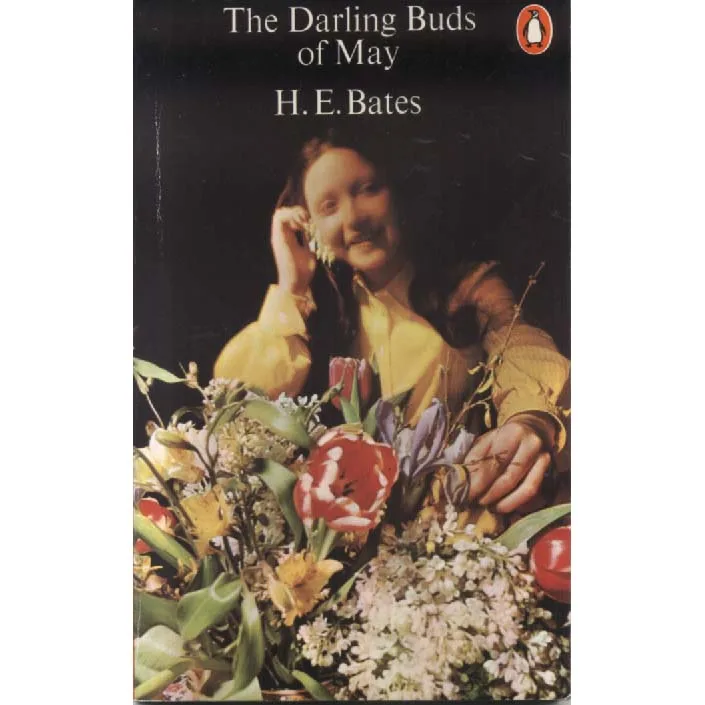
Publisher: Penguin Books
Format: Paperback
ISBN: 0140016023
There are novels that concern themselves with anguish, alienation and the collapse of civilisation, and then there is The Darling Buds of May, which turns up with sunshine, food, rural abundance, and the firm impression that life might actually be rather lovely if only one had enough strawberries, charm, and a family quite so gloriously unbothered by official fussiness. H. E. Bates, published here in a 1973 Penguin Books edition, offers one of the most enduringly seductive visions of English country life ever committed to paper — though, as ever, the England in question is slightly more golden, more generous, and better fed than the one most people actually experienced.
At the centre of it all is the unforgettable Pop Larkin and his exuberant, pleasure-loving household in rural Kent: a family who seem to move through life as though it were a long summer afternoon designed expressly for their enjoyment. Pop is one of those great fictional creations who treats rules, paperwork and officialdom not so much with contempt as with cheerful irrelevance. He is too busy living. Too busy eating, drinking, bargaining, charming, and generally proving that civilisation may well have taken a wrong turn somewhere around the invention of tax forms.
The title itself is beautiful — The Darling Buds of May — all blossom, promise and lyrical English softness. It sounds like a line from poetry because, of course, it is, and it immediately sets the tone for a book drenched in sensuality of the least scandalous and most irresistible kind: fields, orchards, food, warmth, abundance, laughter, and the distinct sense that someone is about to pour another drink whether you need one or not. Bates understood that pleasure, when properly written, can be every bit as compelling as misery, and far more inviting.
What makes the novel so appealing is that it is not simply quaint. It is lush. It revels in physical life: meals, weather, fruit, flesh, comfort, appetite, and all the rich ordinary luxuries of being alive in the right season and in the right company. The Larkins’ world is one of informal plenty, a kind of rural Eden where scarcity and regulation are held at bay by sheer force of personality. There is something deeply mischievous in that. The book quietly proposes that happiness may depend less on propriety than on appetite and generosity, which is a dangerous thought to put into a reader’s head.
And naturally there is a delicious irony to the whole enterprise. The Larkins have become cultural shorthand for a certain fantasy of England: rustic, warm-hearted, sunlit, overflowing with food and affectionate disorder. Real rural life, then as now, was rather more complicated, muddy and economically constrained. But that is part of the magic. The Darling Buds of May is not a census report. It is a pastoral seduction. It offers readers the England they would quite like to believe in — a place where the fruit is ripe, the family is noisy, the outsider is absorbed, and the bureaucratic state can be fobbed off until next week.
Bates writes all this with a lightness that is very easy to underestimate. The prose carries that enviable ease which makes charm look effortless while doing a great deal of work underneath. He captures not just place but mood, and mood is the whole point here. This is a book to sink into. It does not demand grim moral labour from the reader. It invites delight, and does so with such confidence that resistance begins to feel faintly perverse.
This Very Good Penguin copy has survived beautifully, which feels entirely fitting for a novel so full of ripeness and good things preserved in memory. It remains an excellent, attractive reading copy, ready to charm a new owner into believing, at least for a few hours, that life could be organised around orchards, family vitality, and a healthy suspicion of official interference.
Sold by Crappy Old Books, whose name remains hilariously inaccurate, this is a lovely copy for readers of classic English fiction, rural comedy, and novels that understand the civilising importance of good food, warm weather and not taking authority too seriously. The Darling Buds of May is a book for anyone who has ever suspected that the best answer to modern life might be to go outside, pour a drink, and let Pop Larkin handle it.
Keep browsing: See more Modern Classics books Other books by HE Bates
